A Foodie's Guide to North Dordogne: What to Eat, Where to Find it and Why This Corner of France is so Special
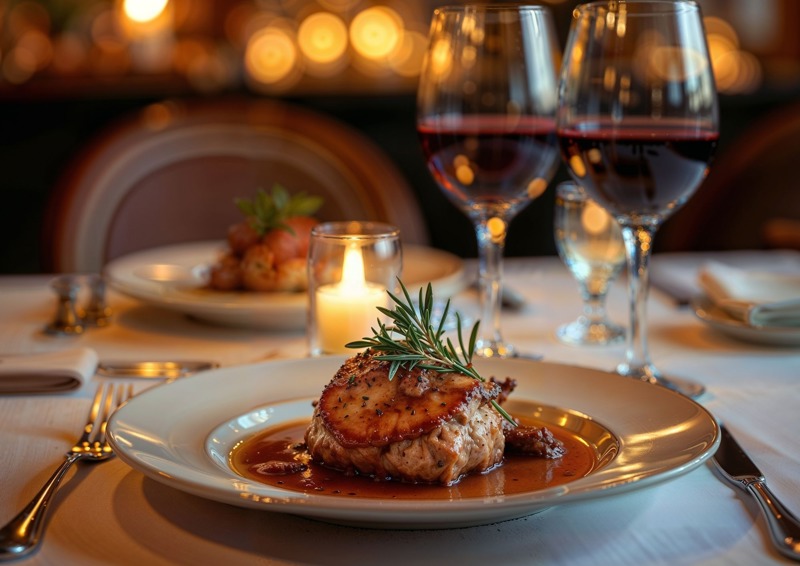
Some guests arrive with a list of restaurants. Some arrive with a Michelin Guide. A couple staying with us recently brought both, along with a plan to work through every starred restaurant within reach during their fortnight at Beaux Souvenirs. Along the way, they found that some of their best meals came from places that don't appear in any guide. In this part of France, that is not a surprise. Beaux Souvenirs sits in Mialet, on the border of the Dordogne, Limousin and Charente. Three departments, each with its own food culture and landscape, all within an hour's drive. What that means in practice: Michelin-starred restaurants in converted watermills, weekly markets run by the people who grew the food, producers making liqueurs from walnuts and chestnuts, and a depth of regional cooking that takes years to get to know. This is our guide to eating well from here.
Duck country: The heart of Périgord cooking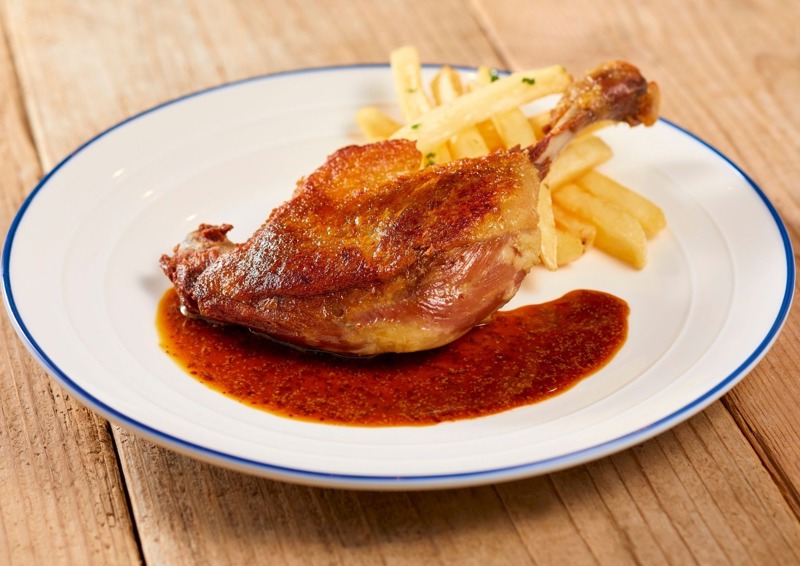
The Dordogne produces around 90% of France's foie gras. That figure tells you something about the scale of duck farming in this region, and about how central the bird has become to the local table. On menus across all three departments, you will find:
• Confit de canard: duck leg slow-cooked in its own fat until the meat falls from the bone, almost always alongside Pommes Sarladaises, potatoes roasted in duck fat with garlic and parsley until golden
• Magret de canard: duck breast, rich and pink, with a thick cap of scored fat
• Foie gras, in every form: pan-fried and served warm, cold in a terrine with truffles, or pressed into a pate with figs. Small jars and tins from market stalls travel home well
• Salade Perigourdine: duck gizzards, lardons, walnuts and leaves dressed with walnut oil, one of the great simple pleasures of eating here.
Foie gras has been part of life in this region for centuries, though we recognise it raises strong feelings. Whether you choose to eat it or not is your own decision. Périgueux calls itself the capital of foie gras, and the Maison du Foie Gras in Thiviers, 14km from us, tells the full story. Combine it with the Saturday market in the same town.
Truffles: The black diamond of Périgord#
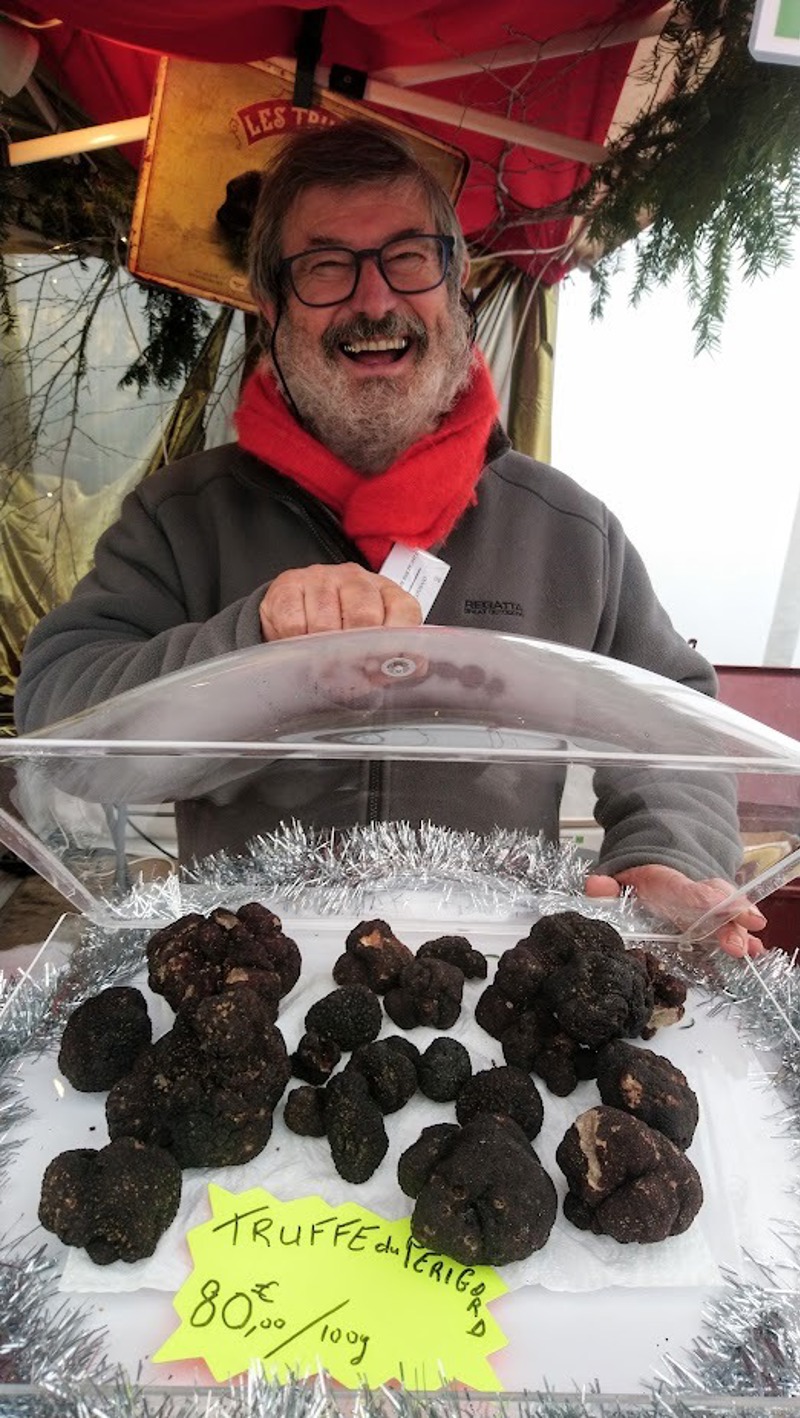
The black truffle of Périgord ranks second among the world's most prized truffles, behind only the white truffle of Alba. The season runs from late November through February, outside our opening months, but truffles stay present year-round: in Sauce Périgord on restaurant menus, in truffle-infused oils and salts at specialist shops, and in small vacuum-packed jars at market stalls. Those jars make one of the best food souvenirs you can bring home from France. The Sunday market in Sorges, 35km south of us, carries truffle products from local producers even in summer. Sorges calls itself the truffle capital of France. The Maison de la Truffe there tells the story of how truffles are grown and harvested, and it complements the market well.
Chestnuts: A history in every bite
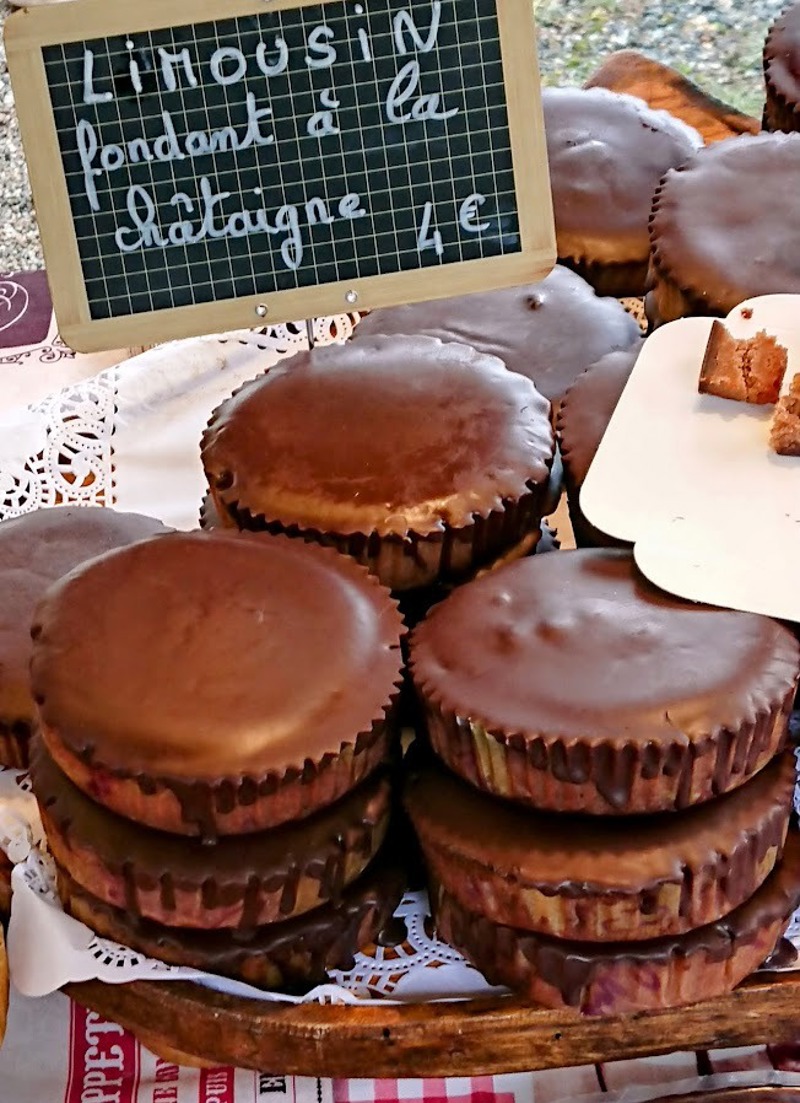
When phylloxera (a deadly vine blight) swept through French vineyards in the 1860s, farming families across the Dordogne and Limousin faced a choice: wait years for new vines to establish, or find another crop. Many turned to chestnut orchards. The tradition of using the chestnut in every possible way took root and has never left. Today, chestnuts appear as flour in bread and pastries, blended with chocolate into rich ganache cakes (the halles in Limoges sell these, and they are very good), fermented into beer and wine, and distilled into a chestnut liqueur that rewards being served well chilled. It makes a distinctive present to bring home. The chestnut festival at Dournazac, just down the road, takes place at the end of October each year.
Three departments, three food cultures
Staying at Beaux Souvenirs puts you on the border of three distinct food regions, each within easy reach.
The Dordogne: Perigord Vert
The northern Dordogne is greener and quieter than the more visited Perigord Noir around Sarlat. Duck, truffles, walnuts and Monbazillac, the rich golden sweet wine and the natural partner for foie gras, define the table here. Cep mushrooms grow wild in the forests around Beaux Souvenirs and appear on menus from late summer through autumn.
The Limousin
Cross north, and beef takes over. The Limousin cow, with its distinctive red-gold coat, counts among the most prized cattle breeds in France. The Cul Noir pig from Saint-Yrieix-la-Perche is a rarer find, worth seeking out if you see it on a menu. Sweet things here run to Clafoutis, the classic cherry batter pudding; Creusois, soft hazelnut and butter cakes; and the Limousin apple, the only French apple to carry an AOP quality designation.
The Charente
Head west and the landscape softens into cognac country. This is also where you find Pineau des Charentes, one of France's least-known drinks outside its home region. The story goes that in 1589, a winemaker poured fresh grape juice into a barrel that already held a little cognac. When he opened it years later, he found something smooth, gently sweet and unlike anything he had tasted. The happy accident became a tradition, and today Pineau is made across the Charente under a strict AOC.
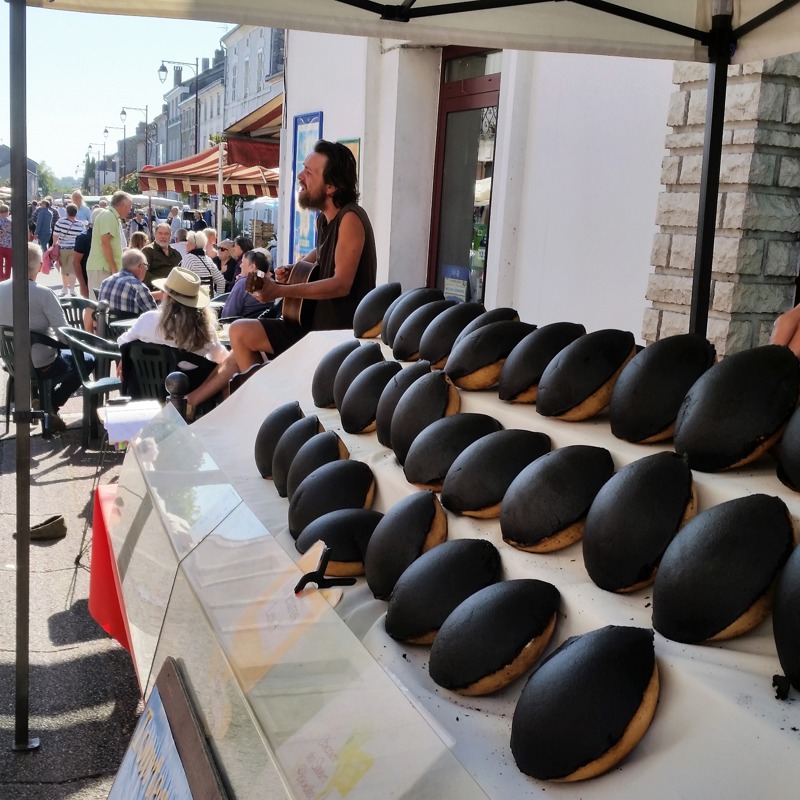
Served well chilled as an aperitif, the white Pineau tastes of ripe fruit and honey with a gentle warmth. It pairs well with foie gras and makes a gift that most people back home will never have encountered. Look for it at the Wednesday market in Piegut-Pluviers, 26km from us on the Charente border, where producers often sell it directly. The Charente also produces the Torteau Fromager, a cake with a jet-black top made from fresh goat's cheese and quite unlike anything you will have eaten before, and the Charente melon: fragrant, deeply orange-fleshed, and harvested at the height of summer.
Cheese, produce and the French art of buying well
When you buy a goat's cheese at a French market stall, the producer will ask when you plan to eat it. Your answer determines which one they hand you. You will not find one variety of strawberry but five or six, each with its own character and season. This attentiveness to ripeness and variety runs through everything here, and it changes how you shop and eat during a stay. Local cheeses worth looking out for:
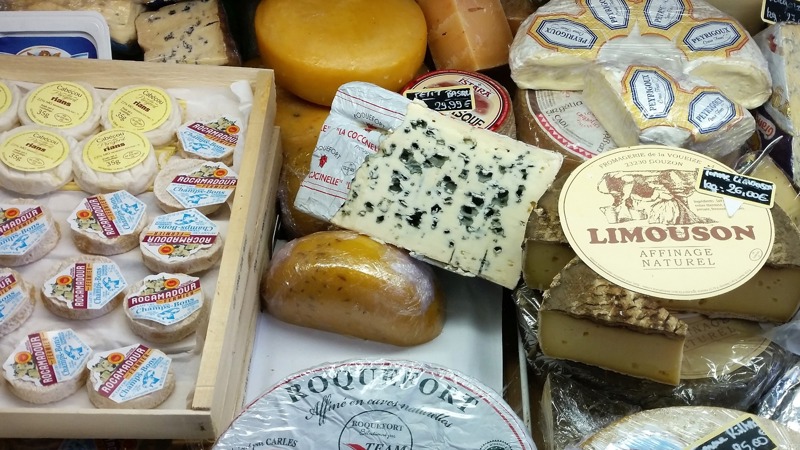
• Cabecou: small, round and flat; ask when it was made and whether to eat it today or later in the week
• Trappe d'Echourgnac: made by nuns at a local abbey, washed in walnut liqueur during ageing, with an amber rind and a gentle nutty flavour unlike any cheese you will find at home
• Chabichou du Poitou: a cone-shaped goat's cheese from just over the border, clean and fresh when young
Sweet things, liqueurs and what to drink
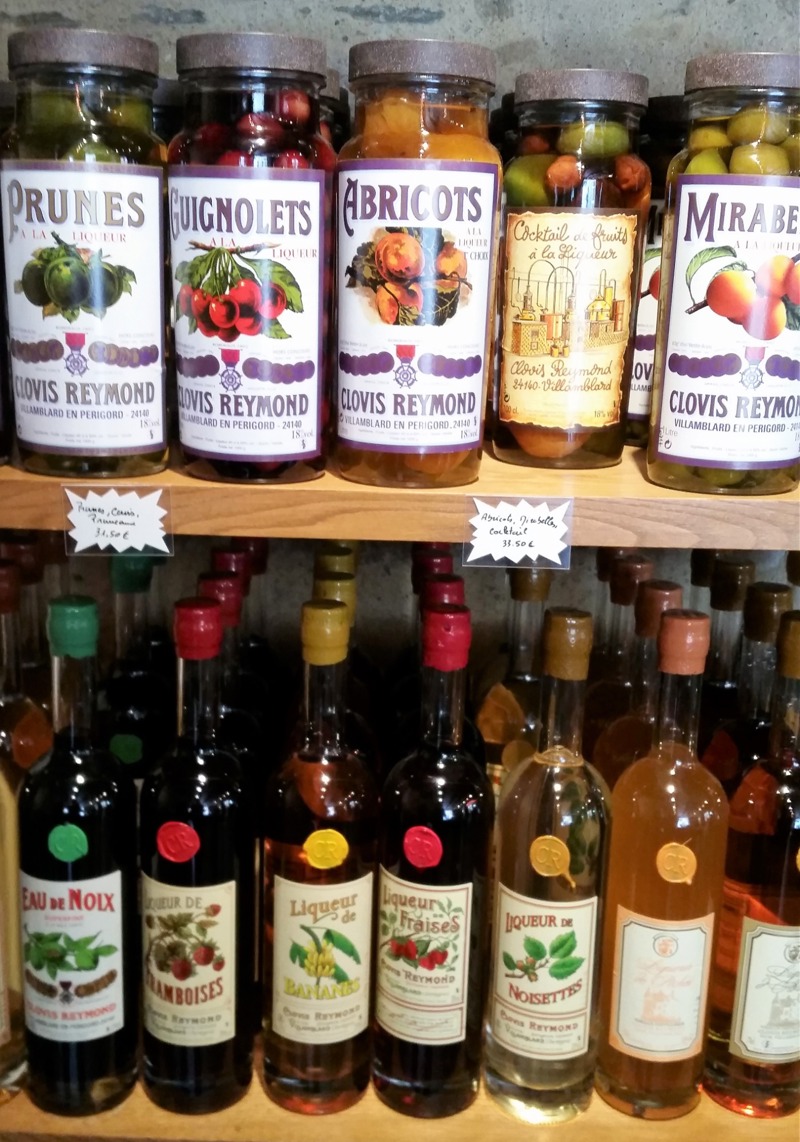
The madeleine, the small shell-shaped sponge that famously triggered Proust's most celebrated memory, comes from Limousin. Madeleines Bijou, in production since 1845 with a museum shop in Limoges, carries the regional name. For something made by hand in small batches, the Vanille et Chocolat shop in Saint-Yrieix-la-Perche, half an hour from us, offers flavours including pistachio and black cherry that are hard to forget. Savoury madeleines also appear at the village's summer night market. Both shops make good presents. For wine, Pécharmant # leads among the reds of the Bergerac appellation: structured, built from Merlot, Malbec and the two Cabernets, and grown on slopes that share much with Bordeaux. Less well known, and better value for it. Monbazillac, rich and golden, is the classic sweet wine of the Dordogne and the pairing most people reach for with foie gras. For fruit liqueurs and eaux de vie, Maison Clovis Reymond, a family distillery from the south of the Dordogne, runs a satellite shop in St-Jean-de-Cole Saint-Jean-de-Cole where you can try before you buy. Their Vin de Noix, made from unripe green walnuts macerated in wine and eau de vie, is a Périgord tradition worth tasting. The chestnut liqueur, served very cold, is the one most guests want to take home.
Craft beer brewed ten minutes from the gite
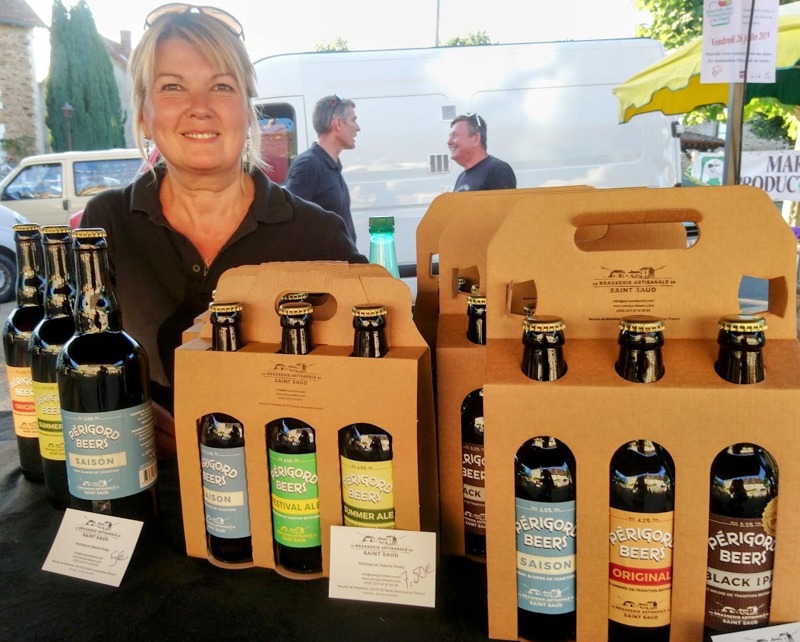
Mike and Val Povey, a British couple, set up Périgord Beers in 2016 in an old stone barn on the banks of a lake, ten minutes from Beaux Souvenirs, in the heart of the Périgord-Limousin Natural Park. They brew British-style craft beers using natural ingredients and traditional methods, and the beers now appear at stockists across the Dordogne. The beer finder at perigordbeers.com will show you the nearest one while you're there.
The markets: where to go and what to expect
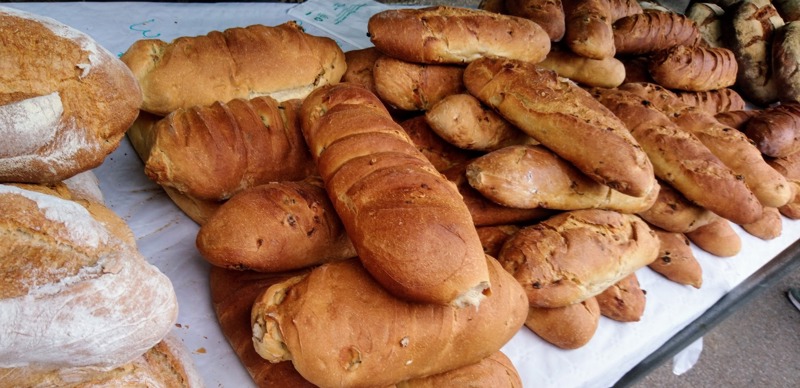
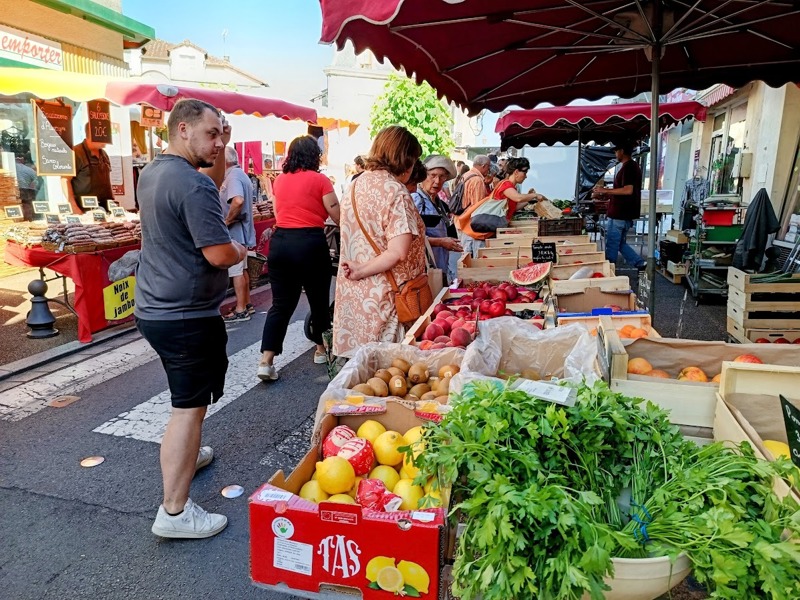 French markets run on the rhythm of the week, not the tourist calendar. People shop here for bread baked that morning, meat cut to order, and whatever came in from the fields yesterday. In May and early summer, that means strawberries in several varieties, asparagus and early tomatoes. By August, the Charentaise melons arrive, along with peaches and the first ceps. September brings fresh walnuts and figs. Our own favourite is the Wednesday market at Piegut-Pluviers, 26km away on the Charente border. It runs through the streets of the village rather than in a car park, and the producers who come every week sell vegetables, meat, cheese, charcuterie, honey, walnut products and Pineau. Go early, take a bag, and give yourself time to talk to the stallholders.
The covered halls in Périgueux, an hour down the N21, reward a dedicated visit for anyone serious about food. Butchers, fishmongers, cheesemongers and vegetable growers trade there every morning, and the old town around it has good restaurants for lunch. A full list of local markets, with days and distances, is in the gite folder, and we are always happy to say which ones are worth visiting that week.
Night markets: eating out the French way
From June through August, the marche nocturne fills village squares across the region. Local food producers set up stalls, you choose a dish, find a seat at the communal tables and stay as long as you like. There is usually live music. The food is good, the prices are honest, and the atmosphere is entirely local. Mialet runs its own in the summer, dates in the gite folder. Go early; the popular dishes go quickly.
Food festivals: the French celebrate everything
In this region, food gets its own festivals. The best summer event is the Fête des Fraises et des Fleurs in Vergt, held on the third Sunday of May. Vergt sits at the centre of Dordogne strawberry production, where the fruit has held IGP protected status since 2004, and the festival draws up to 15,000 visitors. The centrepiece: a giant strawberry tart made from 200kg of fruit, with 900 slices handed out to the crowd. Producers bring a variety of goods to taste and buy, and the whole village fills with stalls and music. It is the kind of event that tells you, very clearly, how differently food is valued here. Other festivals in the calendar:
• Fete de l'Escargot, La Coquille, July: our nearest town, 8km, celebrating the snail with typical French commitment
• Fete de la Chataigne, Dournazac, late October: the chestnut festival, just down the road from us
• Festival du Livre Gourmand, Périgueux, November: one of France's great food and literature events, bringing together around 100 chefs, food writers and publishers
The full calendar of events that fall during your stay appears on our festivals and events page.
Michelin dining: five one-starred restaurants within an hour
The Michelin Guide has been rating restaurants since 1900. Anonymous inspectors visit repeatedly and judge on five things: the quality of the ingredients, the chef's mastery of technique, the chef's personality in the food, value for money, and consistency. France currently has 659 starred restaurants in total, from tens of thousands across the country. One star means cooking is worth a stop on your route. Having five within an hour of a gite in rural North Dordogne is, to put it plainly, rather good. One practical point before the list: the set lunch menu almost always offers the best way in, typically 35 to 55 euros for three courses. Book ahead, and be at your table by 12.15. By 12.30 the restaurant will be full. Lunch in rural France is not something people rush.
-
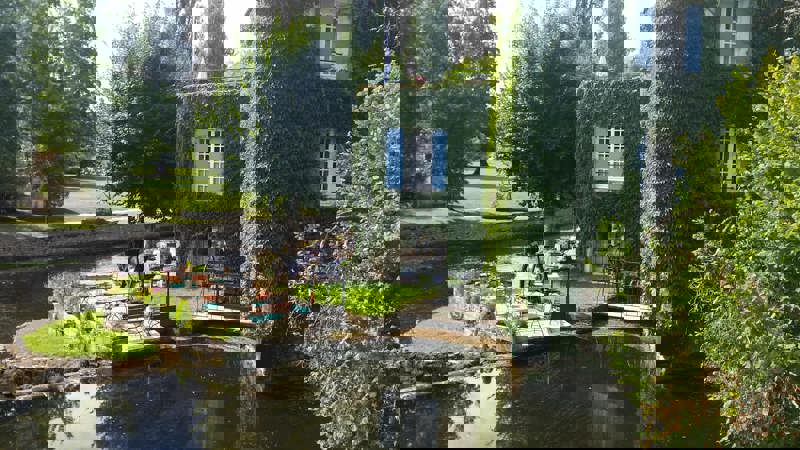
Le Moulin de l'Abbaye, Brantôme, 36 km. The one we recommend most often. A 16th-century mill on the River Dronne with a terrace facing Brantome's famous angled bridge. The cooking is precise and rooted in local produce. Book well ahead.
- Moulin de la Tardoire, Montbron, 44 km A 16th-century forge converted to a mill, now a restaurant on the river in the Charente. Chef Matthieu Brudo sources from small local producers: snails, trout from nearby rivers, duck and squab from Nontron. Seasonal, grounded, with a strong sense of place.
- Dyades au Domaine des Etangs, Massignac, 40 km A 13th-century castle on a large estate of woodland and lakes in the Charente. The kitchen garden feeds the menu. In good weather, the terrace is one of the finest places to eat lunch in the region.
- La Chapelle Saint-Martin, Saint-Martin-du-Fault, 50 km. A small chateau near Limoges, filled with antiques and old paintings. Classical French cooking with modern touches. Check opening days before you plan the visit.
- L'Essentiel, Périgueux, 53 km Around thirty covers in a family-run restaurant beside the cathedral in Périgueux's old town. Chef Eric Vidal's cooking lets the ingredients carry the plate. Worth combining with a morning at the halles.
- Bib Gourmand: excellent food at honest prices. The Bib Gourmand recognises restaurants offering three courses for under 40 euros. Two sit within an hour of us: Le Bel'Art at Champcevinel (50km), cooking traditional Perigord food, and Cafe Louise in Périgueux (53km), Italian.
Planning your stay
Food is one of the things we know best about this area. The gite folder includes a current list of restaurants we have eaten at and would recommend to friends, market days and timings, and details of any night markets running during your stay. We are happy to make a reservation, point you towards a producer worth visiting, or simply tell you what is in season this week.
If you are planning a longer stay or looking for something to do between meals, do not overlook the fashion museum and Vintage Collection at Beaux Souvenirs. Vanessa's on-site museum houses a curated collection of women's fashion spanning a century, and the adjacent boutique has over 600 vintage pieces available to buy, including Dior, Chanel and YSL. It makes for a very good afternoon.
If food matters on a holiday, this corner of the Dordogne is a good place to be.
Why not check whether we have availability for your dates?