Your guide to treasure hunting in the North Dordogne
Before we left the UK, we ran The Eye of Time, a vintage boutique sourcing and selling quality vintage fashion and collectables. Since moving to France, we've spent almost a decade exploring the best hunting grounds in the North Dordogne and surrounding areas. We're on the border of several departments, which means even more territory to cover. We love nothing more than pointing guests in the right direction.
In this guide, you'll find everything you need to know, from the different types of flea markets and what to expect when you get there to where to find vintage fashion and the best factory outlets in the region for brand-new items at bargain prices.
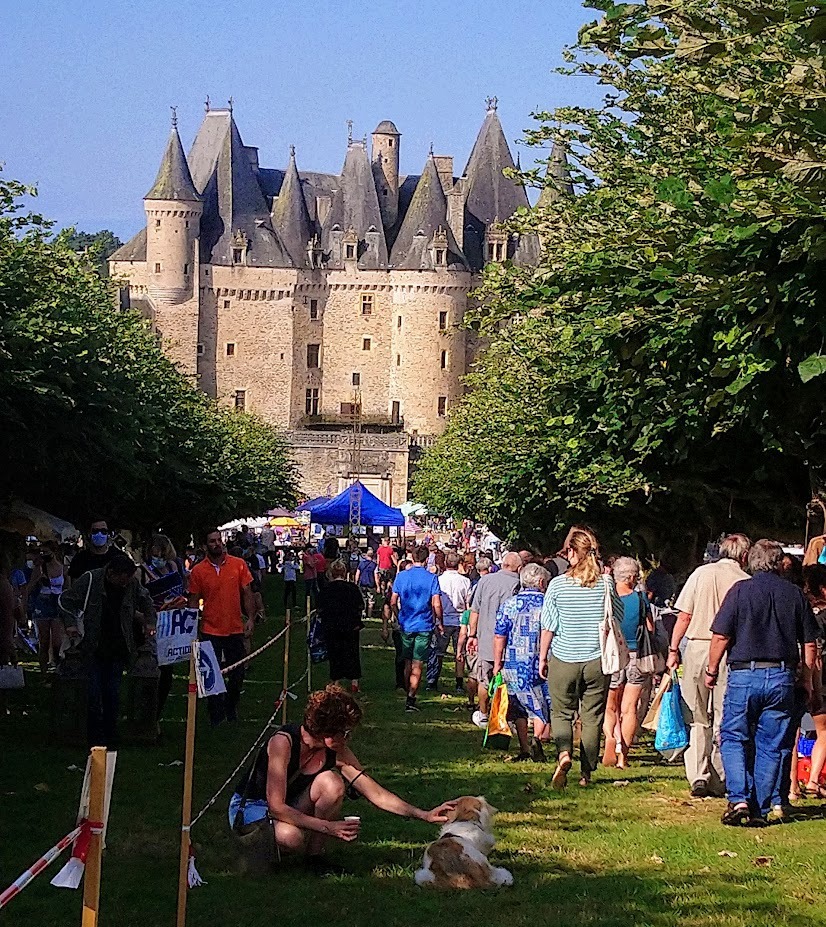
North Dordogne antiques markets: brocantes, vide-greniers and key terms explained
When hunting antiques and flea market finds in the North Dordogne and surrounding area, knowing the local terminology helps you find the best spots:
- Antiques markets (Antiquités) - High-quality, valuable and often historic items sold by professional dealers.
- Brocantes / Flea markets (Marché aux Puces) - Informal village markets with second-hand goods and antiques, perfect for casual browsing.
- Vide-Greniers - The French car boot sale, where locals offload household items. Ideal for quirky, unexpected finds.
- Vide-Maison / Vide-Château - Full house or château clearances during property sales - everything must go!
- Braderies - Festive street fairs blending shop clearances with local celebrations.
- Permanent antique shops and brocantes - Year-round stores with curated collections from expert vendors. Antique centres are rarer in France than in the UK.
- Trocs (Dépôt-vente) - Commission-based warehouses packed with deposited household items. Can be a real treasure trove.
- Charity shops / Recycleries - Known as boutiques solidaires or friperies, including larger chains like Emmaüs. Much rarer to find, unlike the deluge of UK charity shops, usually found on business parks and out of town.
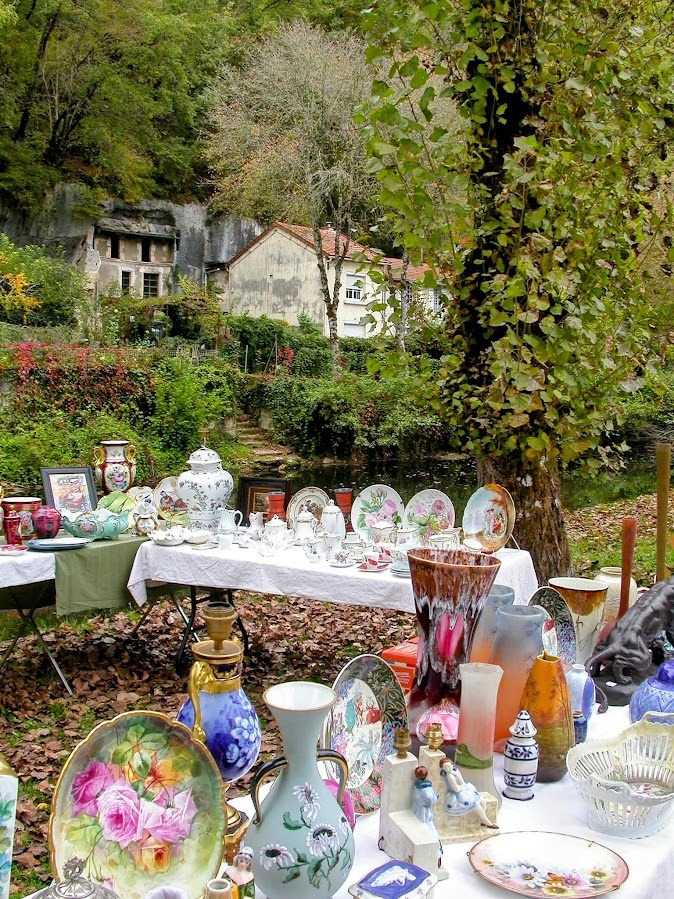
You never know what you treasures you might find!
What to expect at a Dordogne brocante or vide-grenier
Markets, brocantes, and vide-greniers in the North Dordogne generally take place on Sundays and bank holidays from April to October, though some run monthly throughout the year, weather permitting. Unlike UK car boot sales, vide-greniers run from 8 am until around 5 pm, plenty of time to take in several in one day. Most serious buyers arrive early, but even 10 am leaves you with a good selection and fewer crowds.
What you'll find: A fascinating mix - knick-knacks and old china, including the famous Limoges porcelain, delicate painted glass, clothing, crisp white vintage bed linen, Tintin books, records, postcards, and collectable toys. Be prepared to sift through some dross, but that's all part of the fun.
Food at markets: Many vide-greniers have a communal sit-down area serving simple lunches, baguettes with local sausages, chips and a cold beer or soft drink. A good excuse to take a break, chat to locals and watch the world go by.
Indoor shopping: takes place in antique shops and brocante centres. Some are open all week, others are open Thursday to Saturday, and most close for at least two hours at lunch. Always worth checking before making a journey - we're happy to call ahead for you.
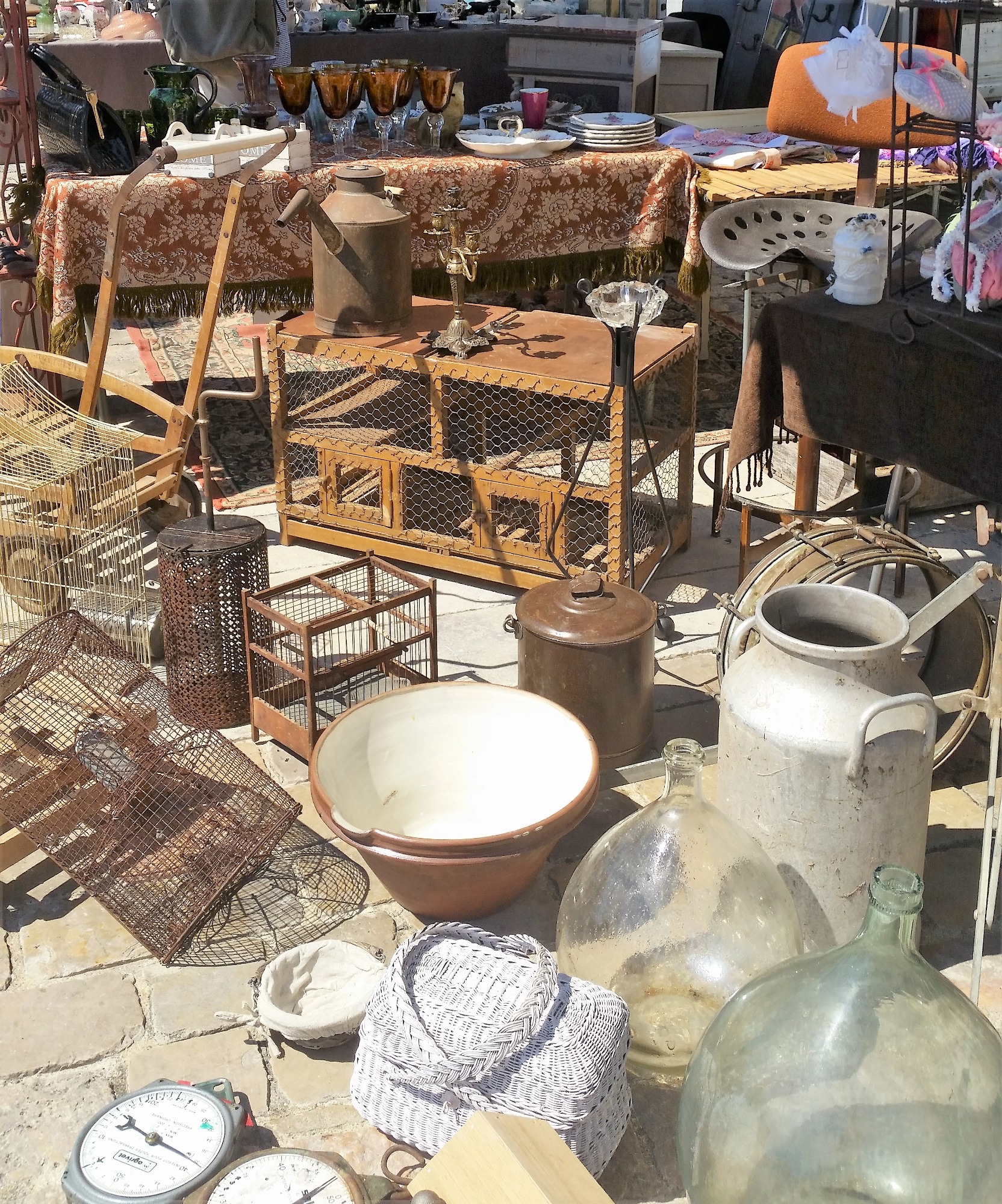
Tips for buying at French Markets
Cash is essential: Most sellers prefer cash, though some professional dealers accept cards. Not all villages have cash points, and there's often a withdrawal limit, so come prepared with plenty of cash.
Haggling is expected: At vide-greniers and brocantes, negotiation is welcome, sometimes just for the sport of it. Keep it reasonable, though. Brocanteurs can be proud of their stock, and you don't want to cause offence.
Mind your manners: French etiquette applies even at open-air markets. Always start with a "Bonjour!" It goes a long way. Planning your visits.
For up-to-date listings and event calendars, websites like Broc à Brac and Vide Greniers are excellent resources. Or just ask us, we know all the best places and keep an eye on what's coming up locally.
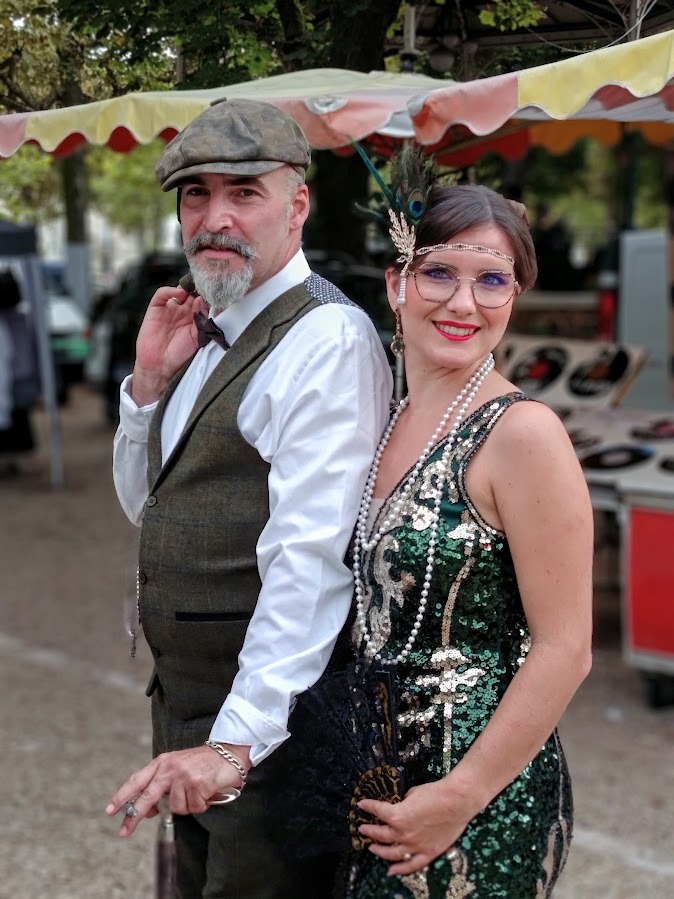
Vintage Days in Perigueux
Hunting for vintage fashion in the Dordogne
In the Dordogne and surrounding area, finding quality vintage fashion takes a little creativity - you won't find the same concentration as Paris or Nice, but the hunt is part of the pleasure. Here's where to look:
- Thrift stores / Friperies - Good for more modern pre-loved items.
- Kilo stores - Buy fashion by weight, charged at a set price per kilo.
- Vide-dressing - Like a vide-grenier but specific to fashion. Sellers clear out their unwanted clothing and accessories.
- Vintage shops - Found mainly in cities, including Limoges and Périgueux.
- Specialist vintage events - Vintage Days in Périgueux is an annual three-day celebration of everything vintage, from fashion and dancing to a parade of over 100 vintage vehicles. One of our favourites just 53 minutes from Beaux Souvenirs. Consignment stores - Sell fashion on behalf of clients, typically splitting the sale 50/50.
- Department stores - Galeries Lafayette in Limoges occasionally stocks vintage pieces worth a look. Our fashion museum and boutique at Beaux Souvenirs.
Remember - You don't have to go far for your first find. Our on-site collection spans the 1920s to 2000, with over 600 pieces including designer names and accessories, all available to view, try on at leisure and purchase during your stay.
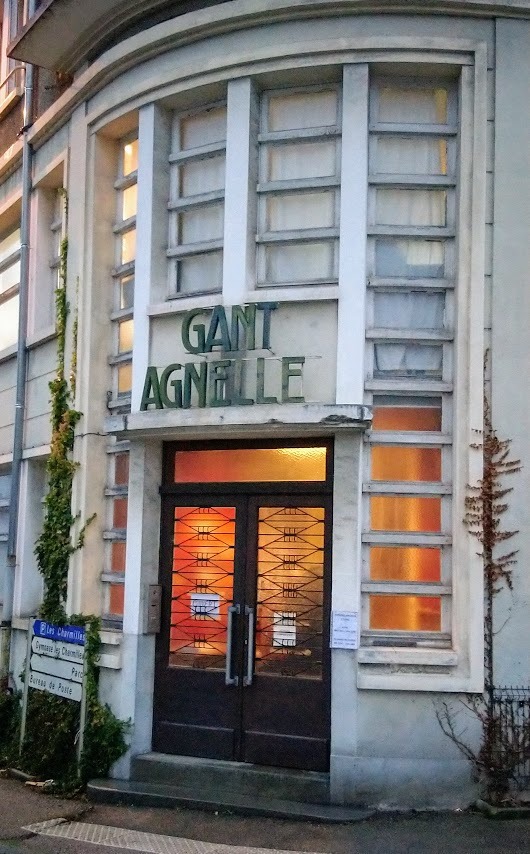
Agnelle the home of beautiful gloves, in Saint Junien
Dordogne factory outlets
This region has been producing fine porcelain since the 18th century and quality leather goods for just as long. Many of the family businesses behind these famous names still operate today, with on-site outlet shops selling direct, well worth a visit for significant savings on the high street price.
All distances are from Beaux Souvenirs.
Porcelain outlets, Limoges area:
- Porcelaine Reynaud - 45 minutes
- Royal Limoges - 56 minutes
- Boutique Bernardaud - 48 minutes Pavillon de la Manufacture
- Haviland - 57 minutes
- Village de la Porcelaine, Saint-Yrieix-la-Perche - porcelain outlet - 24 minutes
Other outlets:
- J.M. Weston, Limoges - luxury footwear - 47 minutes
- Agnelle, Saint-Junien - luxury glove manufacturer since 1937 - 38 minutes
- Repetto, Saint-Barthélemy-de-Bussière - ballet shoes and footwear - 42 minutes
- Broussaud Textiles, Les Cars - socks - 20 minutes
- Intersport, Limoges - sports outlet - 54 minutes
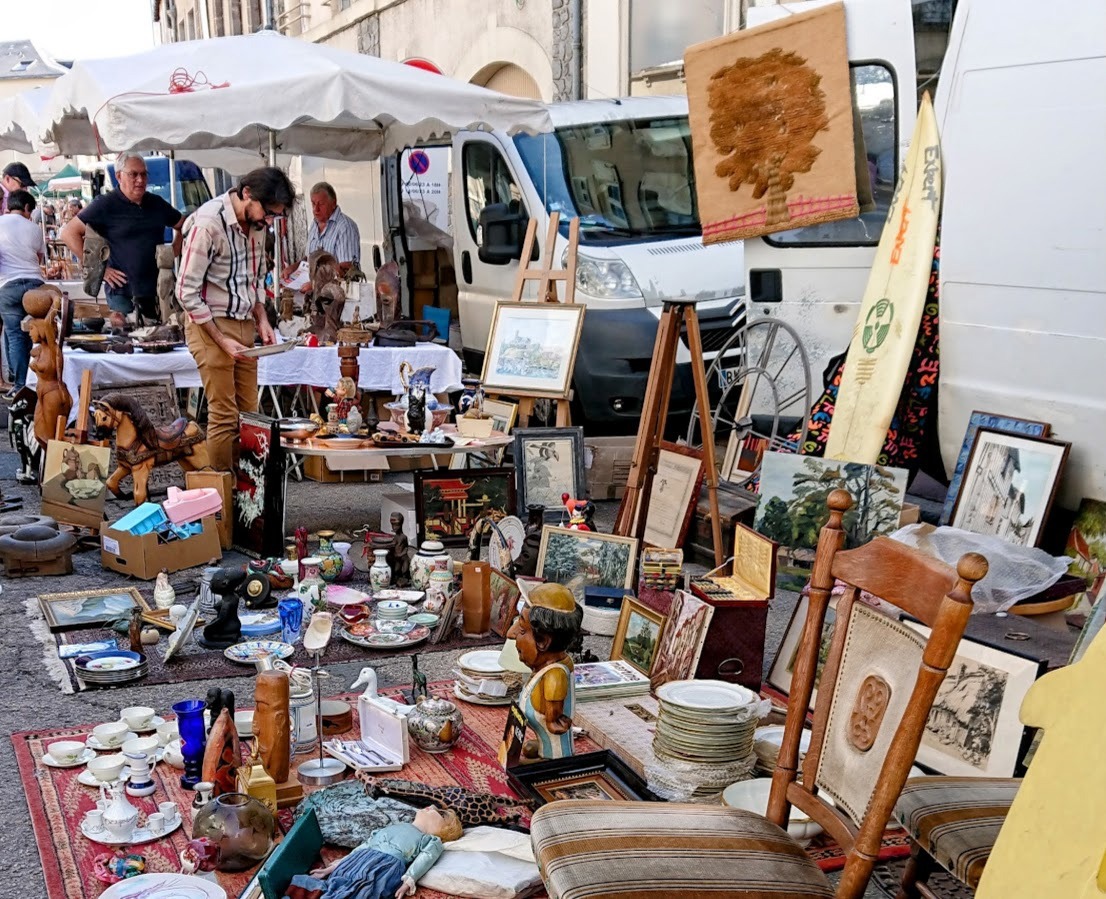
Plan your treasure hunting adventure
From Sunday vide-greniers to prestigious porcelain factory outlets, the North Dordogne and surrounding departments offer rich pickings for bargain hunters and vintage lovers alike. We keep an eye on local market calendars, know the brocantes worth travelling for, and can point you toward the specific finds you're after. If you'd like recommendations before your stay, just get in touch. We love this stuff!
Check Availability | Contact Us for Market Recommendations | Visit Our Fashion Studio